MBE | Licensed in SC, NC, and GA | Offices Located in the Midlands, Upstate, and Lowcountry. Corporate Office: (803) 732-2050

From The Blog

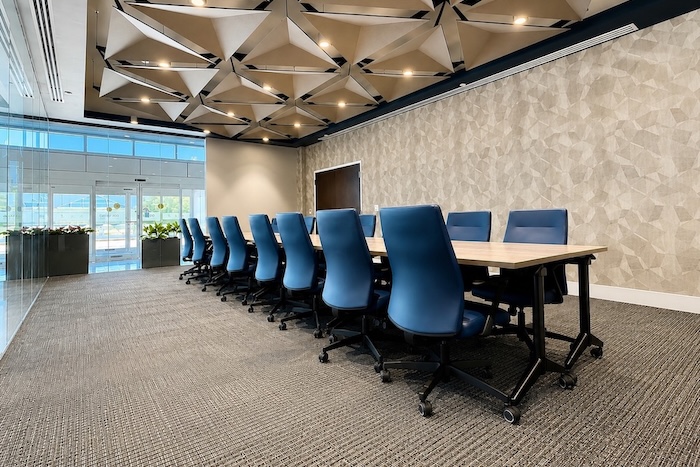
Long conference table with blue ergonomic chairs in a modern meeting room with geometric ceiling panels and natural light.
From The Blog

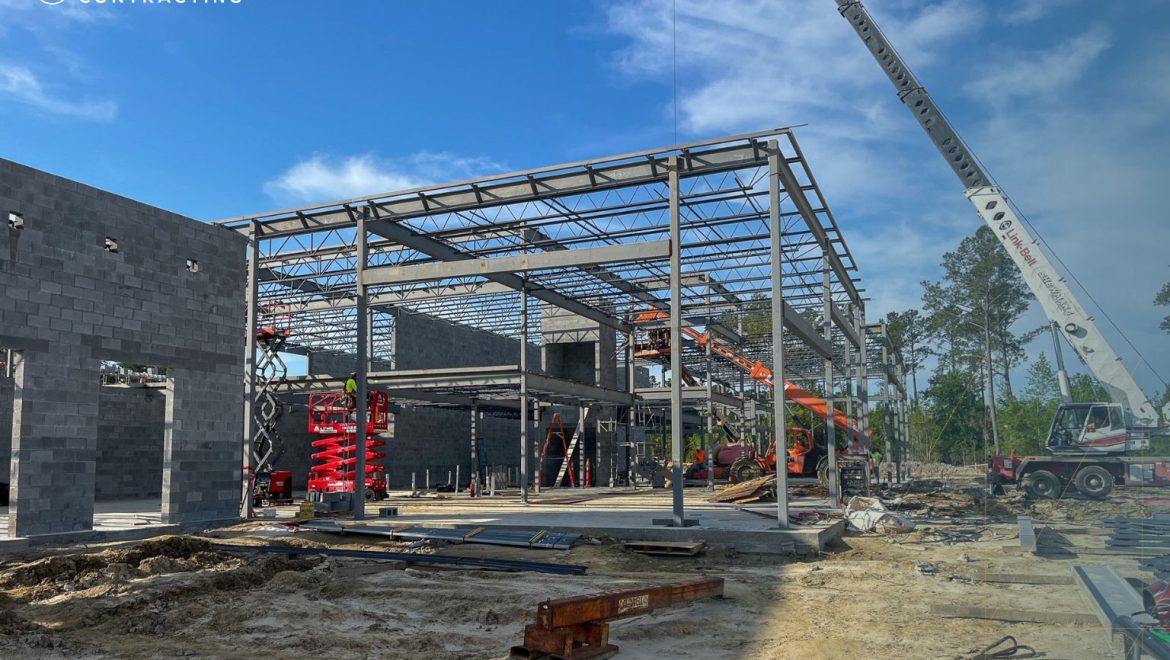
Design-Build, CMAR, or Design-Bid-Build? A Practical Guide for Southeast Commercial Owners

The construction delivery method determines when the builder gets involved, how price is established, who carries design coordination risk, and how much management burden stays with the owner.

For commercial owners in the Southeast, that decision is often made too early and with too little discussion. The result can be redesign, late pricing surprises, procurement delays, or a contract structure that does not match the project’s actual risk.
Read more

Building Through Hurricane Season
From The Blog

Building Through Hurricane Season: Why Dry-In Dates Matter More Than Start Dates

Every spring, commercial owners in South Carolina, North Carolina, and Georgia face the same question: should we start now and build through hurricane season, or wait until winter?

The better question is different: when can the building be dried in?

A project that reaches dry-in before peak tropical activity carries a very different risk profile than one entering roofing, envelope, or MEP rough-in during late August or September.

Read more

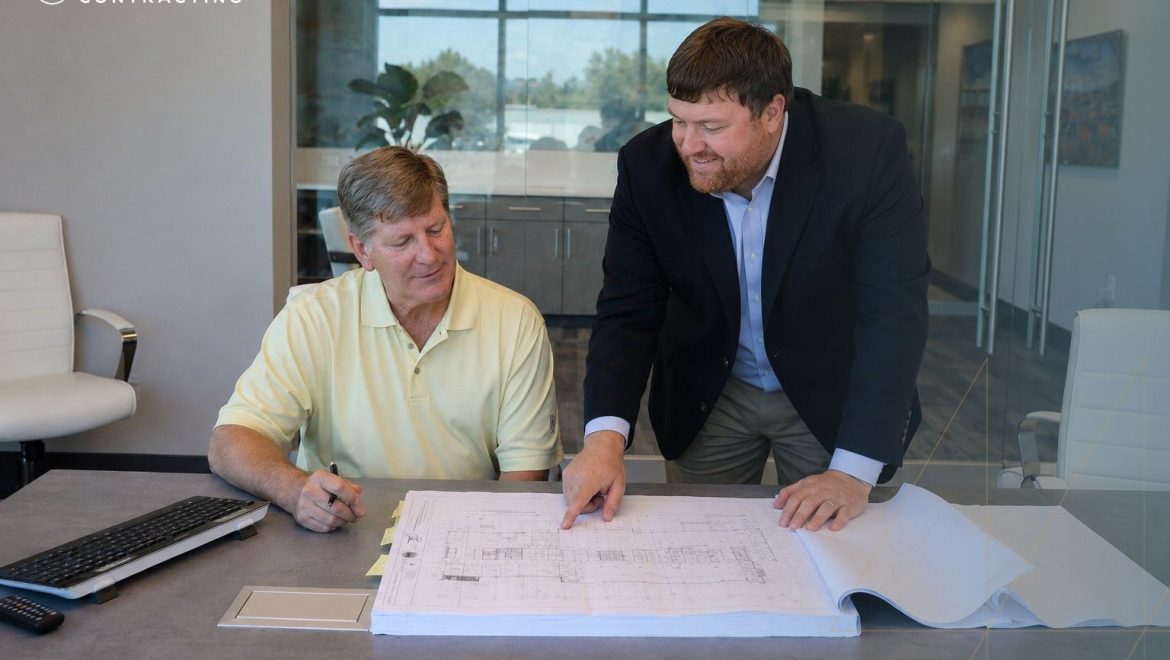
Two men in an office review architectural blueprints spread on a table, with a laptop nearby.
From The Blog

The Hidden Cost of Weak Pre-Construction: How Early Planning Protects Commercial Project Budgets

Most commercial owners focus on what happens after construction starts. But many of the most expensive project decisions are made months earlier, before permits, buyout, mobilization, or the first shovel in the ground.

At Pyramid Contracting, we have seen the same pattern across commercial, industrial, automotive, federal, and adaptive reuse projects throughout the Southeast. Projects that protect budget and schedule usually have one thing in common: they treat pre-construction as a disciplined process, not a pricing exercise.

Read more

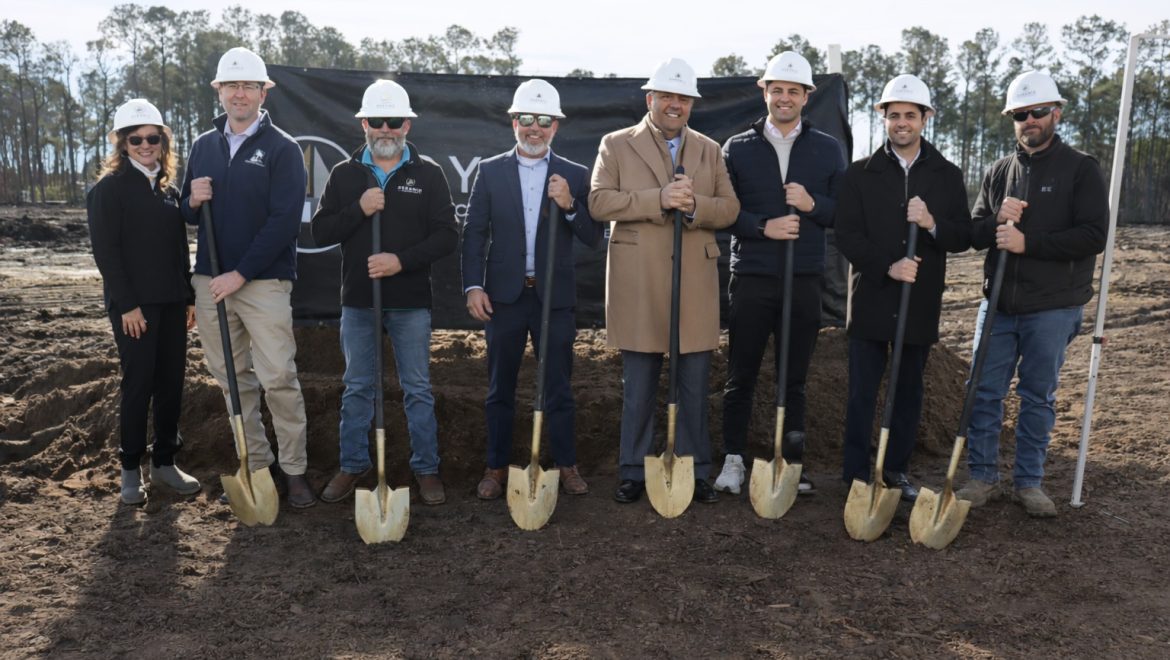
Members of the Pyramid team standing with the owners, each with a golden shovel, breaking ground at the site of the new dealership
From The Blog

Pyramid Contracting Breaks Ground on North Shore CDR+J in the Lowcountry

Pyramid Contracting is proud to announce the groundbreaking of North Shore CDR+J, a new automotive dealership project in the Lowcountry. The project is owned by Jack Hanania and is scheduled for completion on November 1, 2026.

The facility will feature a combination of precast concrete, structural steel, concrete foundations, ACM panels, and curtain wall systems, delivering the clean, modern aesthetic and structural performance expected of a premier CDR+J dealership.

Read more

From The Blog

Why Hire a Self-Performing General Contractor in 2026?

In the general contracting world, there are two types of firms: those who broker the work, and those who build the work. A “broker” GC subcontracts 100% of the project, relying entirely on outside entities for schedule and quality. In contrast, a self-performing general contractor like Pyramid Contracting maintains its own skilled tradespeople to execute critical parts of the build.

Read more

From The Blog

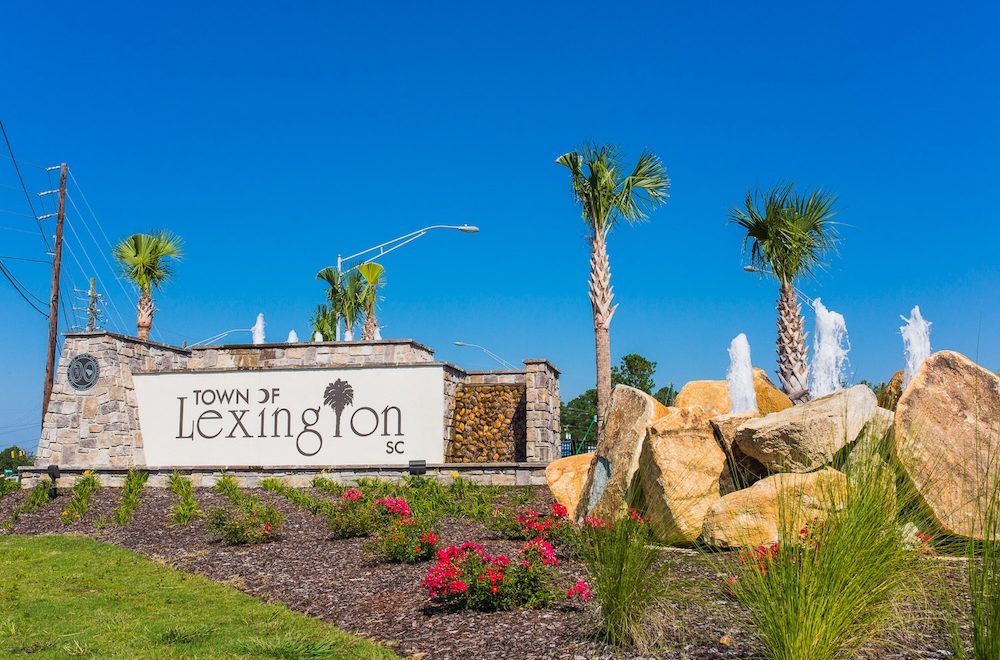
Rooftops, Retail, and a Recipe for Growth: Building for Lexington’s Future

Lexington, SC –What happens when one of South Carolina’s fastest-growing and most affluent counties needs a place to shop, dine, and work? A commercial construction boom built on a rock-solid foundation of demographic demand. This is the story of Lexington County, where years of sustained residential growth are now fueling an explosion of commercial development, creating a vibrant market for developers and businesses.

Read more

Spartanburg Growth
From The Blog

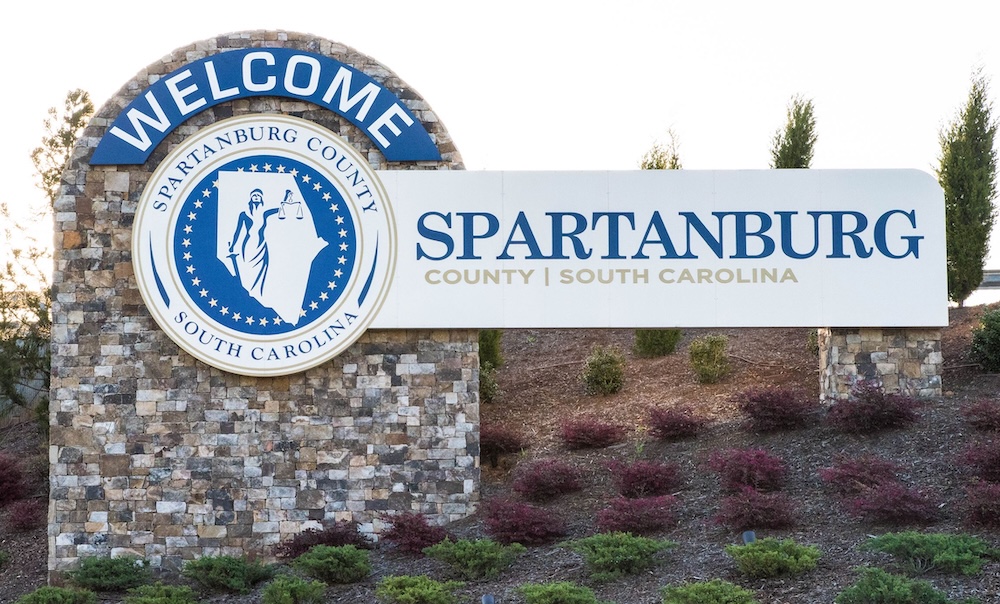
Beyond the Headlines: Seizing the Real Opportunity in SC’s Industrial Heartland

Spartanburg, SC –You’ve likely seen the headlines about Spartanburg County’s top ten ranking as one of the fastest growing areas in the United States. Or perhaps headlines about the explosion and rebalancing of the industrial real estate market. Reports of rising vacancy rates might suggest a slowdown in the region that has long been the industrial engine of South Carolina. But what if the real story—the one that matters to savvy investors and growing businesses—is about what’s not vacant? A closer look at the data reveals a market in transition, not distress, with a clear and compelling opportunity for strategic development.

Read more